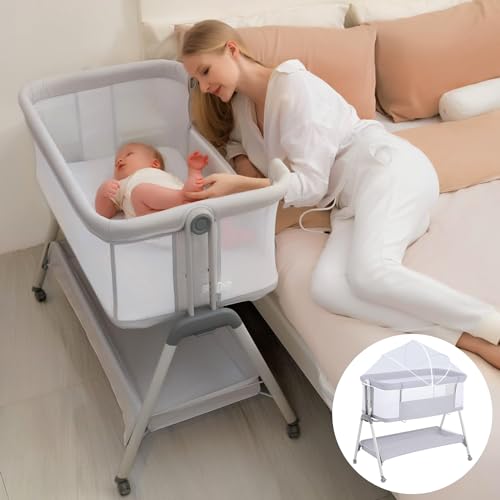
The Benefits and Considerations of Bedside Cots for Co-Sleeping
Co-sleeping has become a popular choice for lots of new parents who look for to preserve close distance to their infants throughout the night. Along with conventional co-sleeping practices, bedside cots are acquiring traction as an option that offers both the comfort of nearness and the safety of separate sleeping spaces. Bedside Cot For Baby's Room intends to check out the idea of bedside cots for co-sleeping, highlighting their advantages, prospective drawbacks, ideas for selection, and common issues.
Comprehending Bedside Cots
Bedside cots, also called side-sleepers or co-sleepers, are specifically developed cribs that are affixed to the side of the parents' bed. They allow parents to maintain easy access to their infants during the night while supplying a separate sleeping area that can boost safety and comfort.
Features of Bedside Cots
- Size and Design: Bedside cots are frequently smaller sized than basic cribs but still supply adequate room for an infant. The majority of models have adjustable heights to match the bed.
- Side Panels: Many designs include detachable or mesh side panels that allow for safe visual tracking of the baby, improving parents' ability to react to their baby's requirements quickly.
- Stability and Safety: Bedside cots are built with stability in mind, featuring security anchors or straps that protect the cot to the parent's bed.
- Ease of Access: Parents can easily reach over to comfort or feed their baby without having to rise, facilitating nighttime breastfeeding or calming.
Benefits of Using Bedside Cots for Co-Sleeping
- Boosted Bonding: Proximity to the baby fosters psychological connection and bonding, which is important throughout the early stages of advancement.
- Easier Nighttime Care: Nighttime feeding and comforting become considerably easier with a bedside cot, as parents can merely lean over to address their baby's needs.
- Increased Safety: Bedside cots decrease the danger of suffocation or unexpected rolls that can take place with conventional co-sleeping directly in the parental bed.
- Specific Sleep Space: The paperwork supports that having their own sleeping space can help infants sleep much better in terms of fewer disruptions from parents.
- Transitioning: A bedside cot can be a helpful transitional tool as babies grow and start to relocate to their own rooms.
| Feature | Benefits |
|---|---|
| Boosted Bonding | Closer physical existence |
| Easier Access | Quick reaction to requirements |
| Increased Safety | Reduced danger of mishaps |
| Private Space | Less disturbance during the night |
| Streamlined Transition | Simpler move to independent sleeping |
Considerations Before Choosing a Bedside Cot
While bedside cots offer numerous advantages, potential users need to consider the following aspects:
- Size of Bed: Ensure that the cot fits surrounding to the bed without triggering discomfort or overcrowding.
- Budget plan: Prices can vary considerably among different brands and models, so consider spending plan constraints carefully.
- Safety Standards: Check that the cot fulfills all security guidelines to ensure it is devoid of hazardous products and consists of necessary security functions.
- Product: Non-toxic finishes and products are most importantly crucial for infant health.
- Infant's Age and Weight: Some cots have weight limits, and parents should choose accordingly based on their baby's development.
Tips for Selecting a Bedside Cot
- Read Reviews: Look for user feedback and safety scores.
- Look for Certifications: Ensure the cot abides by safety requirements.
- Inspect the Design: Choose a design that complements your bed room design while ensuring performance.
- Think about Accessibility: Look for models that allow easy reach however reduce the danger of rolling out.
- Test Stability: Ensure that the cot is stable and secure when connected to the bed.
Typical FAQs About Bedside Cots for Co-Sleeping
Q1: Are bedside cots safe for co-sleeping?
A1: When utilized correctly, bedside cots are designed to offer a safe sleeping option for infants while making it possible for close distance to parents. Always guarantee to protect the cot properly to prevent motions that might lead to accidents.
Q2: At what age can I start using a bedside cot?A2: Many parents begin using bedside cots right after the baby is born. However, it is important to talk to a healthcare service provider regarding your infant's readiness for co-sleeping, specifically if they were born too soon. Q3: Can I use a regular
crib for co-sleeping? A3: While regular cribs can be used, they do not provide the very same level of availability and security as bedside cots, making bedside options more favorable for co-sleeping. Bedside Cot For Sleeping Arrangements : What if my baby rolls over?A4: Most bedside cots are created with security functions that lessen risks if a baby rolls. Furthermore,
they are generally low enough that a roll would not result in a substantial drop. Q5: How do I shift my baby from a bedside cot to a regular crib?A5: Gradually move your baby to a separate crib in their own room after they end up being accustomed to oversleeping the bedside cot. Start with naps in the crib while keeping nighttime co-sleeping up until they adjust. Bedside cots present a useful and much safer option to direct co-sleeping, supplying various benefits in regards to convenience and security. They facilitate bonding
between infants and parents while minimizing the dangers associated with traditional co-sleeping practices. Parents trying to find a method to keep their babies close during the night ought to think about the advantages that bedside cots can offer. With a careful examination of options offered, parents can create a safe and comfortable sleep environment that supports their family's unique requirements.