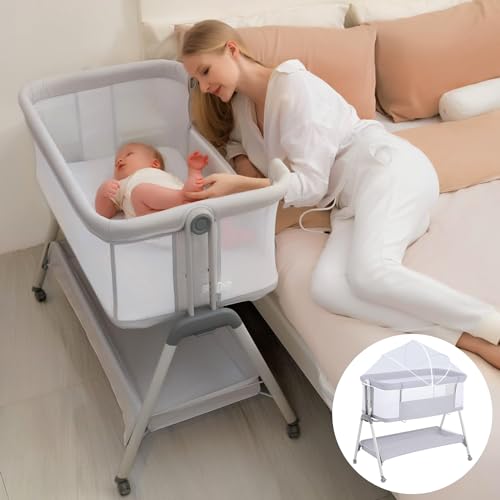
The Benefits of Using a Bedside Cot for Nursing: A Comprehensive Guide
Recently, the principle of co-sleeping, especially making use of bedside cots, has gotten much attention amongst new parents and caretakers. A bedside cot is a type of baby bed that is designed to safely connect to the side of an adult bed, offering a safe sleeping environment for infants while promoting ease of access for breastfeeding mothers. This article will explore the various advantages of bedside cots for nursing, different types readily available, considerations for selecting one, and often asked questions.
The Advantages of Bedside Cots for Nursing
1. Improved Accessibility
One of the most considerable benefits of a bedside cot is the ease of access it provides. Nursing moms can merely reach over to get their baby without the requirement to stand or move away from bed. This benefit enables:
- Quick night feedings
- Increased comfort for the mom
- Lowered threat of disruptions to both mom and baby during nighttime care
2. Promotes Bonding
Nursing is more than simply a means of nutrition; it is also an opportunity for moms to bond with their infants. A bedside cot facilitates this connection by permitting mothers to keep close distance to their babies during sleep. This nearness can cause:
- Enhanced emotional connection
- Increased milk production due to regular nursing
- A sense of security for the infant
3. Encourages Extended Breastfeeding
The benefit of having a bedside cot encourages longer breastfeeding durations. Moms are more likely to follow their baby's feeding hints and respond immediately when they can quickly access their kid. The benefits of prolonged breastfeeding include:
- Improved dietary consumption for the baby
- Boosted developmental benefits
- Strengthened resistances through breast milk
4. Supports Safe Sleep Practices
Bedside cots are created with security in mind, allowing parents to preserve close guidance over their sleeping infant. By sticking to safe sleep recommendations-- such as positioning the baby on their back to sleep and making sure a company bed mattress-- parents can develop a more secure environment. Functions that add to security may consist of:
- Breathable sides to prevent suffocation
- Sturdy, non-toxic products
- Adjustable heights to match the adult bed
5. Flexible Use
A bedside cot can act as both a crib and a co-sleeping arrangement. Numerous designs are adjustable in height or can be completely detached for use as a standalone crib when the child grows older. This flexibility supplies long-term use and worth.
Types of Bedside Cots
Bedside cots are available in different styles and styles. Below are some common types:
| Type | Description |
|---|---|
| Co-Sleeping Cribs | Full-sized cribs that can be firmly attached to the side of the parents' bed. |
| Bassinet-style Cots | Smaller, portable cots that fit beside the bed and are lightweight for easy transportation. |
| Convertible Baby Beds | Cots that transform into different kinds of beds as the kid grows, frequently including toddler and youth bed choices. |
| Foldable Playards | These can be used as both a sleep location and a play location, easily saved when not in use. |
Considerations When Choosing a Bedside Cot
When choosing a bedside cot, parents ought to consider several essential elements:
Safety Features
- Try to find mesh sides for ventilation.
- Make sure that the cot fulfills security requirements and guidelines.
Reduce of Use
- Examine for adjustable height settings to line up with your bed.
- Consider how easily the cot can be moved if required.
Size and Space
- Make sure there suffices space in the bedroom for the cot.
- Choose a crib that fits easily without taking excessive room.
Portability
- If travel is frequent, think about a light-weight model that can be easily folded and transferred.
Toughness and Material
- Choose high-quality products that offer durability and are easy to tidy.
Frequently Asked Questions
1. Are bedside cots safe for sleeping?
Yes, when used properly and following safety guidelines, bedside cots are typically safe for infants to oversleep. Constantly ensure that the cot is safely connected to the adult bed which there are no gaps.
2. Can I use a bedside cot for a newborn?
The majority of bedside cots are designed for newborns and can accommodate them securely. Constantly check the producer's recommendations for weight limits and age suitability.
3. How can I ensure my baby's safety while using a bedside cot?
To make sure security, constantly place your baby on their back to sleep and regularly examine that the cot is safely connected to your bed. Keep Bedside Cot For Contemporary Design -free sleeping environment.
4. When should I transition my baby from a bedside cot to a crib?
Habitually, parents shift their kid to a crib when they are around 4 to 6 months old or when they start to roll over frequently. Nevertheless, the exact timing depends upon the baby's advancement.
5. Can I use a bedside cot for numerous babies?
Bedside cots are usually designed for single infants. If parents have twins or multiples, it's suggested to use different sleeping arrangements to ensure safety.
Bedside cots offer numerous advantages for nursing mothers, consisting of accessibility, safety, and promoting a strong bond in between mom and kid. By selecting the right type of bedside cot and considering security functions, parents can develop a nurturing environment for their infants. As the trend of co-sleeping continues to increase, offering a safe and soothing setup is crucial for the well-being of both baby and caretaker. With the ideal information and resources, parents can browse this new chapter in their lives better ready than ever.